What Is Onsite Calibration?
Picture you're running a vital assembly line, and you uncover a drift in your pressure readings. Quiting the line to ship instruments out for solution can imply hours-- or even days-- of shed performance. That's where onsite calibration comes in. Instead of getting rid of assesses, transmitters, or circulation meter gadgets and sending them off to a lab, a calibration service technician travels to your center, brings customized tools, and does tool calibration right beside your process. The benefit? Very little disruption and self-confidence that measurements continue to be within tolerance.
Why Onsite Calibration Matters
Adjusting tools isn't just a checkbox in a maintenance routine. It's the foundation of quality assurance and safety and security. When your sensors, assesses, and testers unclothe specification, you run the risk of product problems, conformity infractions, and even safety events. Onsite calibration directly addresses these threats.
Decreasing Downtime with Onsite Services
Downtime can be crippling. Every minute a line rests still is shed earnings and an impact to consumer dedications. Onsite calibration lets your team timetable solution during planned upkeep windows and even throughout time-outs in between shifts. The specialist sets up a short-lived calibration bench in your plant, adjusts tools-- like a firmness tester or a torque wrench-- and carry on without needing a return trip.
Guaranteeing Accuracy Under Real Conditions
Back in the laboratory, problems are controlled: temperature level, humidity, and wetness are kept constant. However your plant floor might be hotter, dustier, or full of bit pollutants. Onsite calibration occurs right where the equipment lives, revealing how environmental aspects really affect efficiency. You get a calibration that mirrors real operating conditions, not just an idyllic atmosphere.
Usual Instruments Calibrated Onsite
A competent specialist can deal EML Calibration instrument calibration service with a variety of gadgets without ever before leaving your site. Right here are a few case in points:
- Pressure transmitters and gauges Flow meters (ultrasonic, turbine, magnetic) Thermometers and temperature probes Dampness analyzers and meters Torque wrenches and torque wrenches with electronic readouts Hardness testers
Whether it's a straightforward zero modification or a complete ISO-compliant recalibration, the professional brings recommendation standards and executes checks right at the gadget's installing location.
The Process of Onsite Calibration
Even though it seems quick, onsite calibration follows an organized method to make certain every step meets rigorous standards.
1. Preliminary Assessment
The professional evaluates your calibration history, device specs, and performance logs. They'll ask about any kind of recent concerns-- such as unexpected temperature spikes or erratic sensor actions-- and prepare the series of checks as necessary.
2. Calibration Procedure
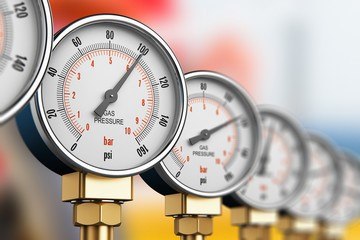
Following comes the heart of the solution. For a circulation meter, this could entail comparing volumetric or mass flow to a certified reference. For a stress sensor, an adjusted pressure resource and an electronic recommendation scale are made use of to apply well-known pressures throughout the tool's range. The specialist records inconsistencies, adjusts the device ideally, or flags it for fixing.
3. Verification and Documentation
After adjustments, each tool is retested to confirm it fulfills resistances. The professional generates a certification that includes before-and-after data, unpredictability estimations, and traceability to nationwide requirements. You leave with documents that satisfies internal audits and regulatory evaluations.
Tips for Smooth Onsite Calibration
Preparing for a calibration visit can make the distinction in between a quick, effective work and a day of unforeseen delays. Below are some best practices:
- Label your tools plainly with possession tags and previous calibration dates. Provide risk-free, clear access to calibration factors and eliminate any kind of safety covers. Make certain environmental controls-- like temperature level and humidity-- are secure. Have a get in touch with person ready to address inquiries concerning current upkeep or process adjustments. Plan calibration during nonpeak hours or scheduled maintenance home windows to minimize production impact.
Real-World Example: Keeping a Brewery Flowing
At a midsize brewery, unforeseen drift in their carbon dioxide stress regulators started causing lathering issues on the bottling line. Sending regulatory authorities out would certainly have needed batch hold times and additional cleaning cycles-- setting you back thousands in squandered beer and labor. Instead, they arranged onsite calibration with a mobile laboratory device. The technician detected a refined leak, altered the regulatory authorities under real operating pressures, and decreased downtime. The brewery saved both product and time, and they scheduled quarterly onsite check outs going forward.
Non-Destructive Calibration: A Smart Choice
Some instruments-- like vital safety and security sensing units-- must stay set up to keep system honesty. A nondestructive technique means there's no requirement to detach or disassemble piping, electronics, or interfaces. Technicians make use of adapters and clamps to apply examination signals or pressures, adjust the gadget, and leave the system intact. It's quicker, much safer, and stays clear of the threat of introducing new leakages or positioning mistakes.
Selecting the Right Calibration Partner
Not all calibration suppliers offer the very same level of service. Seek a team that brings:
- Accreditation to identified standards (ISO/IEC 17025) Experienced specialists learnt adjusting varied instrument kinds Traceable referral criteria for temperature, pressure, torque, and circulation Fast turn-around and versatile organizing Clear, detailed documents
Final Thoughts
Buying onsite calibration pays off with lowered downtime, boosted dimension self-confidence, and structured conformity. Whether you're optimizing a chemical reactor's dampness analyzers or adjust torque wrenches on an assembly line, having a calibration laboratory involved you makes life much easier and operations smoother. For a reputable companion that brings the laboratory to your door, look into EML Calibration as a resource for expert onsite services.
Name: EML Calibration
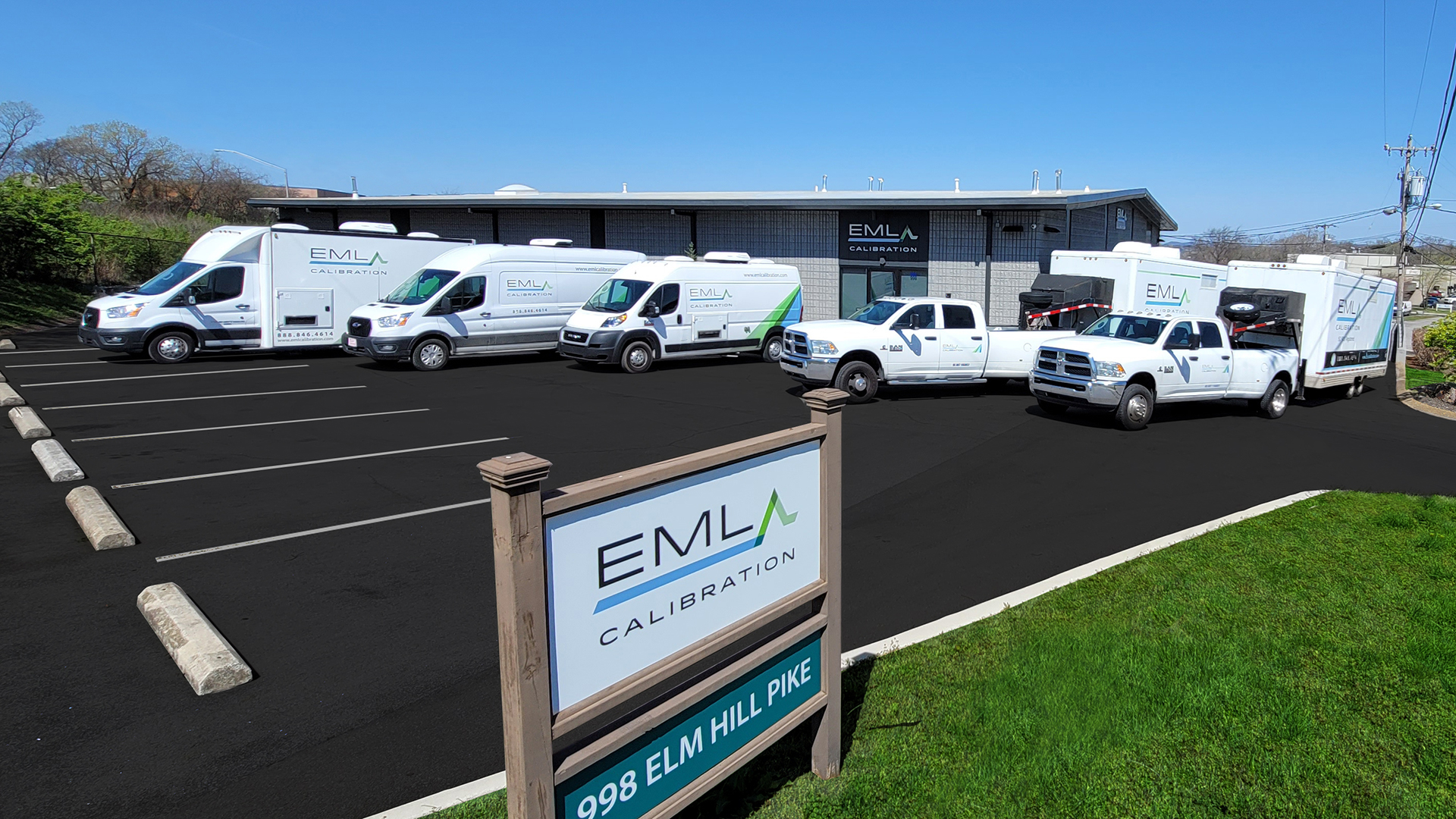
Address: 998 Elm Hill Pike, Nashville, TN 37210, United States
Phone: (888) 846-4614
Website: https://www.emlcalibration.com/